§ How-To
How to Extend the Life of Trimmer Line and Spools
Share practical maintenance tips for reducing line breakage, uneven feed, and premature spool wear. Cover storage conditions, trimming technique, and when to replace worn parts.
Published
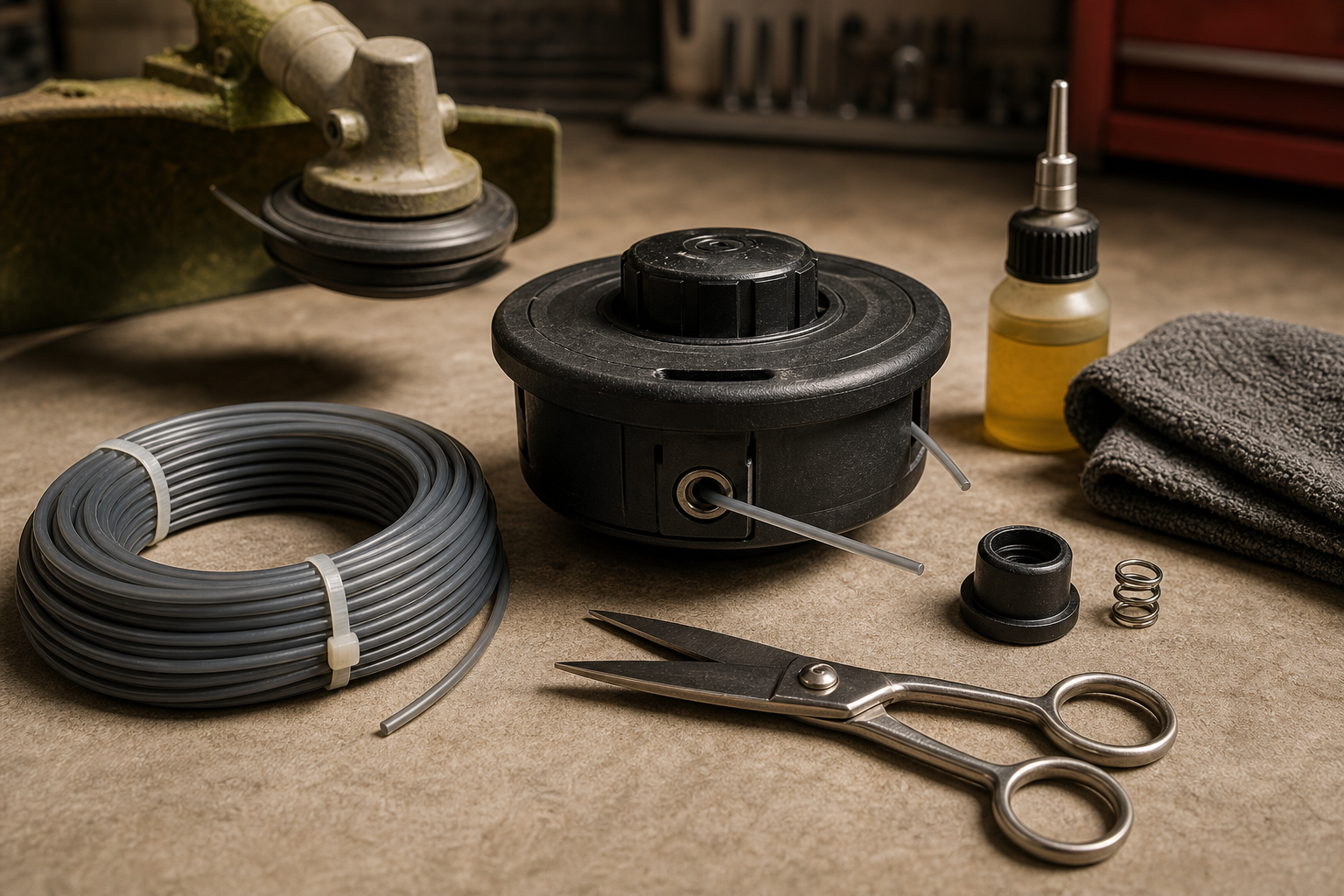
A lot of trimmer line problems get blamed on the line itself, but in the workshop the real cause is often heat, dryness, poor winding, or a spool that’s simply worn past serviceable condition. If you want cleaner cutting, fewer feed issues, and less wasted line, the best approach is basic maintenance plus better trimming habits. A few small changes in storage, loading, and inspection can noticeably extend the life of both the line and the spool.
Store Line Properly to Prevent Brittleness
Trimmer line is nylon-based, which means its condition changes with heat, humidity, and age. When line dries out too much, it gets brittle and snaps more easily, especially when striking fence posts, edging along concrete, or running at high RPM.
A few practical storage rules make a big difference:
- Keep spare line out of direct sun. UV and heat harden the material over time.
- Avoid hot sheds, ute trays, or metal containers where temperatures swing sharply.
- Store line in a sealed bag or container to reduce moisture loss and dust contamination.
- Keep it away from fuel, oils, and solvents, which can degrade the line surface.
If your line has become dry and break-prone, you can often improve flexibility by soaking it in water for about 24 hours before use. This is a well-known trick in the trade and especially useful for line that’s been sitting on the shelf for a while. It won’t fix damaged or old line forever, but it can reduce snap-offs and improve feed consistency.
For loaded trimmer heads, don’t leave the machine sitting for months in a hot corner with line exposed. If the tool is seasonal, store it somewhere dry and shaded, and check the line before the next job.
Load the Spool Correctly to Avoid Jams and Uneven Feed
A good spool can still perform badly if the line is wound poorly. Crossed wraps, overfilling, or the wrong line diameter are some of the most common causes of binding and inconsistent feed.
Before loading, confirm three things:
- The line diameter matches the head specification
- The line shape is suitable for your machine and task
- The spool itself is not cracked, grooved, or heat-damaged
When winding line:
- Follow the arrow direction on the spool. Winding backwards creates immediate feed problems.
- Wind neatly and evenly under light tension. Loose coils can dig in or bunch up.
- Do not overfill the spool. Overpacked line can’t release smoothly and often fuses from friction.
- Leave the correct tail length so the head reassembles properly and feeds as intended.
If you’re using pre-cut lengths, stick to the recommended length for the head. Stuffing in extra line rarely saves time; it usually causes more stoppages and more wear on the feed mechanism.
Also check the eyelets or line exit holes in the trimmer head. If these become rough, ovaled, or burred, they act like a file on the line. That leads to repeated breakage near the head rather than at the cutting end. In many cases, replacing a worn spool or head insert is cheaper than wasting line every week.
Use Better Trimming Technique to Reduce Breakage
Line life is heavily affected by how the machine is used. Trimmer line is for cutting grass and light weeds, not for grinding along hard surfaces all day. Technique matters.
To reduce wear:
- Let the tip of the line do the cutting. Forcing the full line length into thick growth loads the motor and overheats the line.
- Trim in stages on overgrown areas. Knock the top down first, then finish lower.
- Avoid sustained contact with concrete, brick, rock, and steel fencing.
- Use the correct guard and cutter blade so line stays at the intended operating length.
- Don’t run oversized line in a head designed for lighter gauge. It increases drag and feed stress.
One common mistake is using the trimmer like an edger against kerbs and driveways with constant hard contact. That burns through line fast and can glaze or melt the spool edges from heat. A cleaner approach is to hold a steady angle and just kiss the edge, rather than dragging the line into the surface.
Engine speed matters too. On cordless units in particular, full power all the time isn’t always necessary for light grass. Matching speed to the job can lower heat buildup in the head and reduce line welding inside the spool.
Inspect and Replace Worn Parts Before They Cause Bigger Problems
Spools and trimmer heads are wear items. Even if the machine still runs, a worn spool can create chronic feeding issues, chew up line, and put extra strain on the head assembly.
Replace worn parts when you notice:
- Cracks or chips in the spool body
- Rounded or melted locking tabs
- Deep grooves where line has cut into the spool
- Deformed partitions between line channels
- Rough or enlarged eyelets
- Frequent line welding despite correct loading
If the bump-feed mechanism sticks, disassembles poorly, or no longer advances line reliably, inspect the spring, cap, spool, and housing together. Sometimes the spool is only part of the issue. Replacing the worn internal components as a set often restores proper operation better than trying to reuse fatigued pieces.
For tradespeople and frequent users, keeping a spare spool loaded and ready is a smart move. It reduces downtime and helps you compare performance quickly if you suspect one spool is causing trouble.
FAQ
Why does my trimmer line keep breaking near the spool?
Usually this points to a feed issue rather than bad cutting technique. Common causes include incorrect winding, overfilled spool channels, rough eyelets, the wrong line diameter, or dry brittle line.
Can old trimmer line still be used?
Sometimes, yes. If it’s not badly degraded, soaking it in water for 24 hours can restore some flexibility. But if it’s visibly brittle, chalky, kinked, or keeps snapping after proper loading, replacement is the better option.
How do I know if the spool should be replaced instead of just reloaded?
Replace it if you see cracks, melted edges, worn locking features, deep grooves, or repeated feed problems that continue with fresh correctly sized line. A worn spool wastes line and usually gets worse, not better.
Find the right part on Amazon
Check price, stock and fitment — ships direct from Amazon.
§ Catalog
Shop the catalog


